Dilapidations Meaning for Commercial Tenants at Lease End
· Updated · 4 min read
Part of the guide: Vendor Contract Guide: How to Read Agreements from Start to Finish
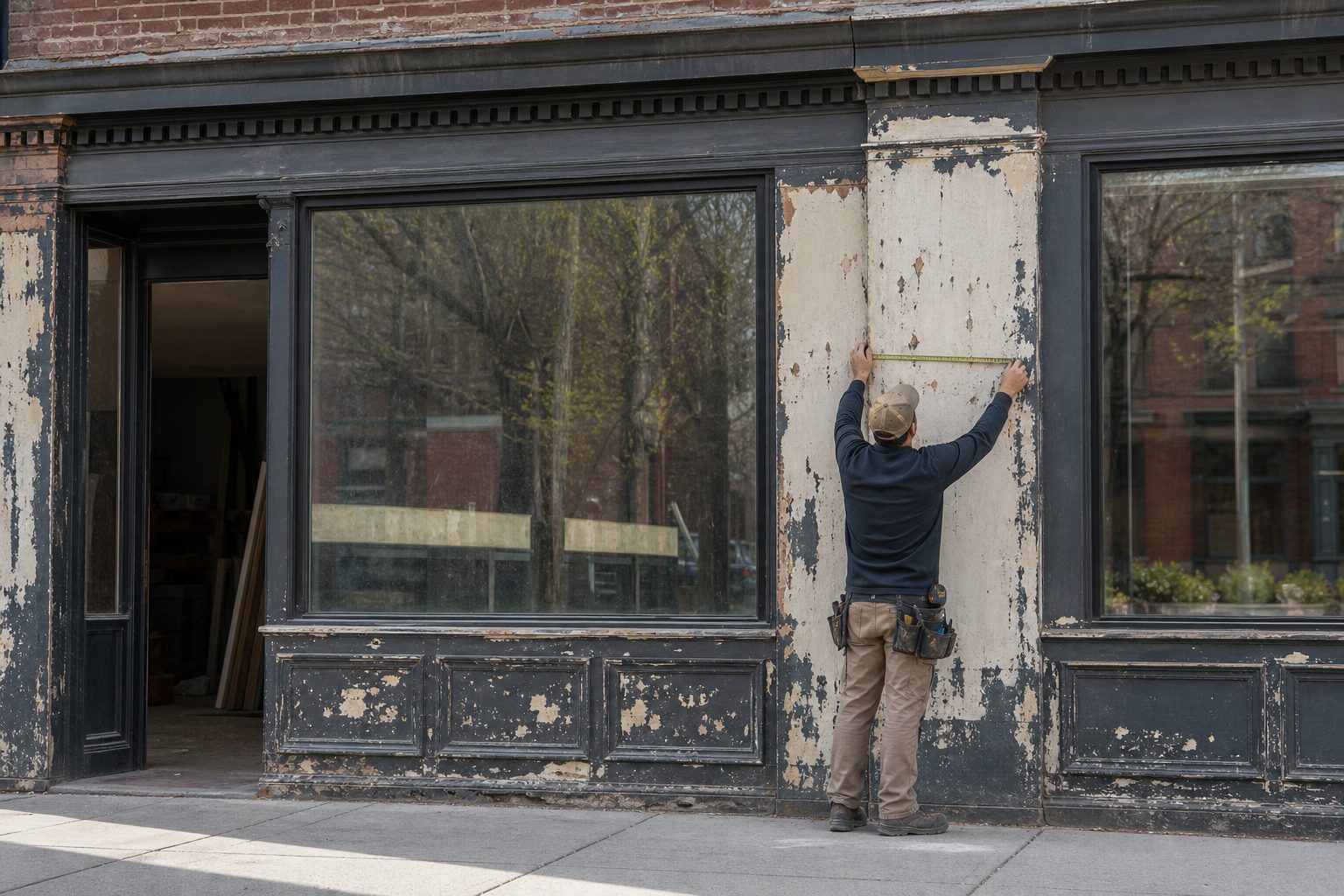
Dilapidations meaning is the repairs and reinstatement a commercial tenant owes when a lease ends or during the tenancy. If you run a shop, cafe, clinic or agency from rented premises, your lease likely includes a dilapidations provision setting out what you must put right before you hand back the keys. The term covers damage or wear that goes beyond fair wear and tear, such as repainting walls you changed, replacing flooring you damaged, or removing partitions you installed. It can also mean putting the property back to the condition it was in when you took it on.
Key takeaways
- Dilapidations cover repairs and reinstatement beyond fair wear and tear at lease end.
- A schedule of condition at the start limits your liability to the state you received the property in.
- Landlords serve a schedule of dilapidations; you can challenge items that are not your responsibility or that amount to betterment.
- A cash settlement can replace physical works, but the figure should reflect actual repair costs, not upgrades.
- Get a solicitor involved when the claim is large, the term is long, or the lease includes a personal guarantee.
What dilapidations meaning covers in a commercial lease
A dilapidations clause sets out the tenant's repairing obligations. It usually requires you to keep the premises in good repair and condition and to yield them up in that state at the end of the term. The obligation can be absolute or qualified by a schedule of condition. If the lease says you must put the property into repair, you may have to fix defects that existed before you moved in. If it is limited to keeping in repair, you only maintain the standard that existed at the start.
Common items in a dilapidations claim include:
- Redecoration of internal and external surfaces.
- Repair or replacement of damaged floors, ceilings, doors and windows.
- Removal of tenant alterations such as partitions, signage or fitted equipment.
- Reinstatement of the original layout if you changed it.
- Compliance with statutory requirements that fall on the tenant under the lease.
Check the exact wording in your lease. AxiomRisk can check your lease for risky repair and end-of-lease clauses, quoting the exact sentences from your file and suggesting what to ask the landlord to change.
How a dilapidations claim works at lease end
A landlord usually serves a schedule of dilapidations near the end of your term or after you leave. This document lists the items they say you must repair or pay for, often quoting specific clauses such as a repairing covenant or a reinstatement obligation.
The dilapidations protocol is a set of practice guidelines used in England and Wales to encourage early exchange of information and settlement without going to court. It sets out steps for serving claims, responding and negotiating. Scotland and Northern Ireland have different rules, so check the rules where you are or ask a solicitor.
A claim is not automatically payable just because it is served. You can challenge items that:
- Are not your responsibility under the lease.
- Amount to betterment, meaning the landlord wants you to improve the property beyond its original condition.
- Relate to fair wear and tear, which is the normal deterioration from ordinary use.
For example, replacing ten-year-old carpet with new carpet at your cost would be betterment if the carpet had reached the end of its useful life.
What a dilapidations survey looks like
A dilapidations survey is an inspection of the property, usually carried out by a surveyor acting for the landlord. The surveyor records the condition of walls, floors, ceilings, services and any alterations. They compare what they see against the lease obligations and any schedule of condition from the start of the tenancy.
If you are approaching lease end, you can commission your own survey to help you budget and give you evidence if you need to dispute items later. Photos taken when you moved in are useful too, especially if they show the condition at the start. A schedule of condition agreed at the outset is the strongest evidence to limit your liability.
Money, deposits and cash settlements
A dilapidations deposit is money held by the landlord, sometimes as part of a rent deposit, to cover potential end-of-lease repairs. Not all leases have one. If yours does, check when it will be returned and what deductions the landlord can make. Ask for an itemised schedule before any money is released.
Some landlords agree to a cash settlement instead of requiring you to carry out the works. This means you pay an agreed sum and the landlord does the repairs themselves. Make sure the figure reflects the actual cost of the items in the schedule, not a higher estimate that includes the landlord's own management fees or upgrades. If the lease includes a service charge, confirm whether dilapidations works can be recharged through it.
What to ask your landlord before you sign and near lease end
Before you sign a lease, ask for a schedule of condition with dated photos. Ask that your repairing obligation be limited to the condition at the start of the lease. Ask to exclude the structure, the roof and fair wear and tear. If you are making alterations, get written consent and agree who removes them at the end.
Near lease end, ask for the schedule of dilapidations in writing and a reasonable time to respond. Ask for quotes for any works you are expected to carry out. Ask whether a cash settlement is acceptable and on what terms. If the claim is large or the lease term is five years or more, have a solicitor review it before you agree to pay.
Next step
Upload your lease to AxiomRisk and see the risky repair and end-of-lease clauses quoted word for word with counter-asks you can use today.
Frequently asked questions
What is the dilapidations meaning in a UK commercial lease?
Dilapidations are the repairs, redecoration and reinstatement a tenant must carry out or pay for at the end of a commercial lease. They cover damage or alterations beyond fair wear and tear, based on the repairing covenants in the lease.
Can a landlord charge for betterment in a dilapidations claim?
No. Betterment means improving the property beyond its original condition. You can challenge any item that puts the landlord in a better position than they were at the start of the lease.
What is a schedule of condition and why does it matter?
A schedule of condition records the state of the property at the start of the tenancy with photos and notes. If your repairing obligation is limited to that schedule, you only have to return the property in that same condition.
How does a cash settlement for dilapidations work?
Instead of doing the repairs yourself, you pay the landlord an agreed sum and they carry out the works. The amount should reflect actual repair costs, not the landlord's management fees or upgrades.
When should I get a solicitor for a dilapidations claim?
Get a solicitor when the claim is large, the lease term is five years or more, the lease includes a personal guarantee, or the landlord insists on negotiating lawyer to lawyer.